Welcome!

Welcome!
Showing posts with label 難民. Show all posts

Thursday, June 15, 2017

電気通信大学 AWE I: Writing assignment 2 (Leaving Home, Going Home)・作文2

Hello!


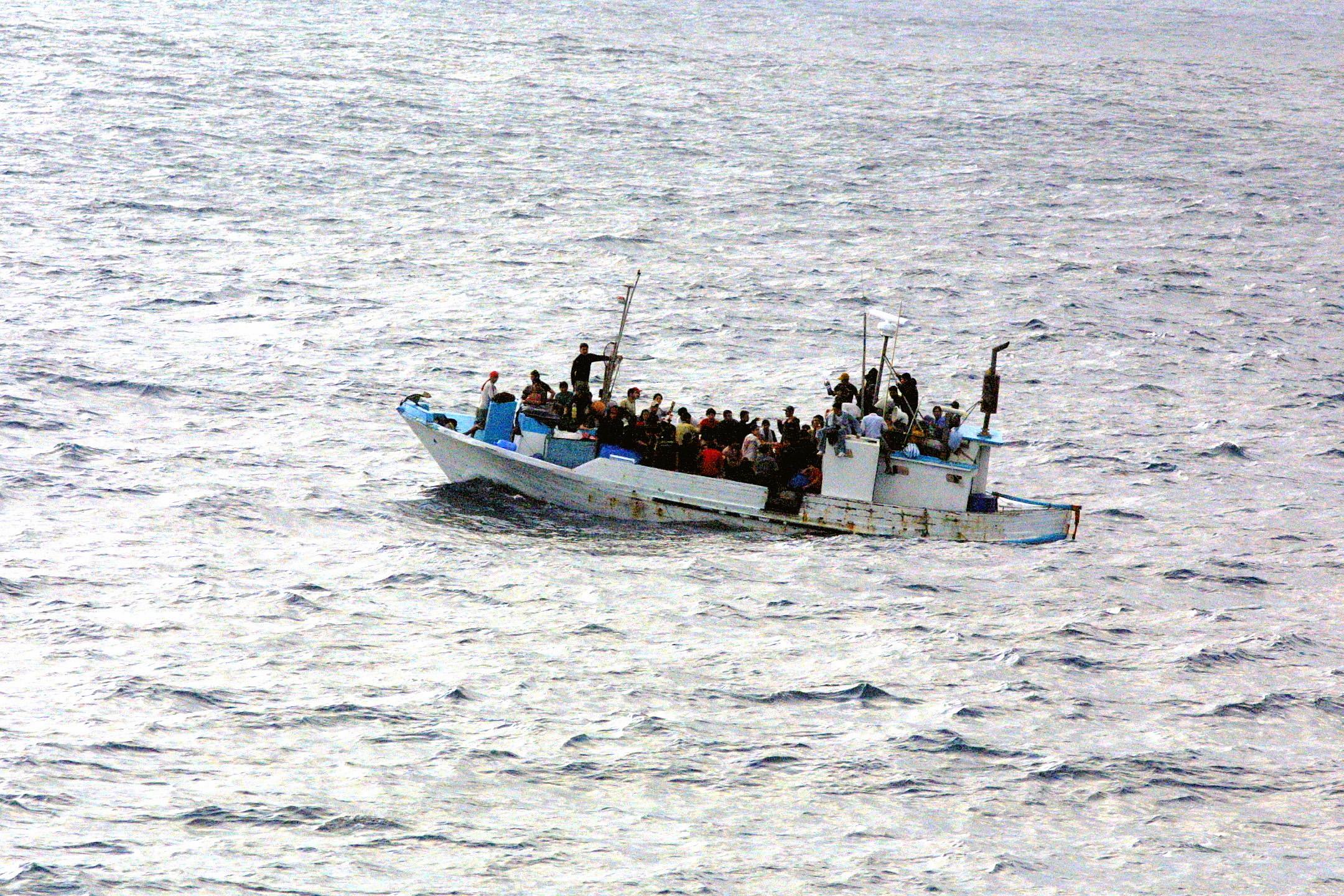
How are you? Let me show you our 2nd writing assignment - your opinions about refugees (難民), what they need for immigration (移住), and what you think of their chances of Japan as a new location for their lives. 

While I have given you the handout about the assignment, I am posting it here, with the video that will go with the assignment. 

I am gathering writing on his topic into a book called Leaving Home, Going Home - this is a book about student writing on refugee issues. The best of your writing on this topic could go into this book, so write to the best you can!

How much to write 
I would like you to write as much as you can, because your work may be published (出版した) on both this blog and in the Leaving Home, Going Home book.

I would like to see maybe 3-4 paragraphs' worth of writing.

Deadline (締め切り)
It will be June 23nd (6/23), so I want you to bring in a first draft (下書き) next week (来週) in your notebooks in pencil. Then you can write to the finish and turn in your work on 6/23.

Preparation (準備)
Refugees have many problems, and many things they need. Watch this video. It's mostly in Japanese, but with some English, with Japanese subtitles  (日本語の字幕). 

Watch the video as many times as you need to. When you are finished, answer these questions in your notebook about the different parts of the video (you can make notes in English or Japanese):

日本のメッセージ
1. What did the first woman say about coming to Australia as a refugee?
2. What did the second woman say about communication between the government (政府) and refugees?

シンポジウムから待たヒント
What did Ishii-san say about the two women's refugee stories?

日本にできること
What did Moriya-sensei from Hokkaido Educational University (北海道教育大学) say about the needs of refugees?

長野県松本市の取り組み
What did Takizawa-sensei from Toyo Eiwa Women's University graduate school (東洋英和女学院大学大学院) say about help for refugees in Matsumoto city in Nagano (長野県松本市)?

求められる視点
What did Daniel Alkhal (ダニエル・  アルカル ) from the UNHCR (国連難民高等弁務官事務所) say about the three different steps of support refugees need?

Make these notes on the planning and preparation handout I have given you.

Task 
Most important: Choose one (1) of the following:
Make a one-sided argument for why refugees should be allowed to resettle in Japan.
Or - a one-sided argument for why refugees should not be allowed to resettle in Japan.

Now look at your notes. Choose one (1) of the one-sided arguments above and write 3-4 paragraphs.

Good luck! I look forward to reading your great writing about these issues.

Take care!

Image: By Alemaugil - Own work, Public Domain, https://commons.wikimedia.org/w/index.php?curid=2956803
Video uploaded from YouTube. I do not own the rights to the video. Uploaded strictly for educational purposes only. All rights reserved to the
copyright holder(s).

Monday, June 20, 2016

ECA (Speaking) I (A): 日本に難民の必要

Hello!


How are you? Let's think about refugees (難民) and what they need for immigration (移住).

Refugees have many problems, and many things they need. Watch this video. It's mostly in Japanese, but with some English, with Japanese subtitles  (日本語の字幕).


Watch the video as many times as you need to. When you are finished, answer these questions in your notebook about the different parts of the video (you can make notes in English or Japanese):

日本のメッセージ
1. What did the first woman say about coming to Australia as a refugee?
2. What did the second woman say about communication between the government (政府) and refugees?

シンポジウムから待たヒント
What did Ishii-san say about the two women's refugee stories?

日本にできること
What did Moriya-sensei from Hokkaido Educational University (北海道教育大学) say about the needs of refugees?

長野県松本市の取り組み
What did Takizawa-sensei from Toyo Eiwa Women's University graduate school (東洋英和女学院大学大学院) say about help for refugees in Matsumoto city in Nagano (長野県松本市)?

求められる視点
What did Daniel Alkhal (ダニエル・  アルカル ) from the UNHCR (国連難民高等弁務官事務所) say about the three different steps of support refugees need?

Make these notes in your notebook. Again - you can make these notes in Japanese or English.

We will talk more about refugees in Japan - for example, what they need in our towns and cities, and your opinions on how we can make them feel they can be a part of Japanese society.

I hope this is interesting for you.

Take care!

Video uploaded from YouTube. I do not own the rights to the video. Uploaded for classroom use only. All rights reserved to the owner(s).

Thursday, July 9, 2015

ECA (Speaking) II (All): 難民、移住のプレゼンテーションポスター

Hello!


How are you today! Here are some examples of posters for presentations on topics about refugees (難民) and immigration (移住).  

Vocabulary 
These are some important key words:

refugee: 難民
immigrant: 移民
immigration: 移住
Japanese-Brazilian: 日系ブラジール人
education: 教育
employment: 雇用
housing: 住宅

There are many other words you can find in your dictionaries, but the words in the list above are a start.

Presentation posters
Here are some examples of posters. They come from my friend, who's a professor (教授) at Chuo University in the law faculty (中央大学法律学科). Look at these:


Take a look at these in detail. Make the pictures of the posters larger
Look at these again. This can give you ideas about how you could do a poster design. 
See you next class!

Image: "Presentation Word" courtesy of Stuart Miles/FreeDigitalPhotos.net

Monday, July 6, 2015

ECA (Speaking) II (All): 日本に難民の必要

Hello!

File:Evstafiev-travnik-refugees.jpg

How are you? Let's think about our opinions about refugees (難民) and what they need for immigration (移住).

Refugees have many problems, and many things they need. Watch this video. It's mostly in Japanese, but with some English, with Japanese subtitles  (日本語の字幕).

Watch the video as many times as you need to. When you are finished, answer these questions in your notebook about the different parts of the video (you can make notes in English or Japanese):

日本のメッセージ
1. What did the first woman say about coming to Australia as a refugee?
2. What did the second woman say about communication between the government (政府) and refugees?

シンポジウムから待たヒント
What did Ishii-san say about the two women's refugee stories?

日本にできること
What did Moriya-sensei from Hokkaido Educational University (北海道教育大学) say about the needs of refugees?

長野県松本市の取り組み
What did Takizawa-sensei from Toyo Eiwa Women's University graduate school (東洋英和女学院大学大学院) say about help for refugees in Matsumoto city in Nagano (長野県松本市)?

求められる視点
What did Daniel Alkhal (ダニエル・  アルカル ) from the UNHCR (国連難民高等弁務官事務所) say about the three different steps of support refugees need?

Make these notes in your notebook. You can make these notes in Japanese or English.

We will talk more about refugees in Japan - for example, what they need in our towns and cities, and your opinions on how we can make them feel they can be a part of Japanese society.

I hope this is interesting for you.

Take care!

Video uploaded from YouTube. I do not own the rights to the video. Uploaded for classroom use only. All rights reserved to the owner(s).

Thursday, July 2, 2015

ECA (英語基礎表現) I (Super A): 日本に難民の必要

Hello!


How are you? Let's think about our opinions about refugees (難民) and what they need for immigration (移住).

Refugees have many problems, and many things they need. Click on this link to watch a video about the needs of refugees to come to Japan. The video is in both English (with Japanese subtitles - 日本語の字幕and Japanese.

Watch the video as many times as you need to. When you are finished, answer these questions in your notebook about the different parts of the video (you can make notes in English or Japanese):

日本のメッセージ
1. What did the first woman say about coming to Australia as a refugee?
2. What did the second woman say about communication between the government (政府) and refugees?

シンポジウムから待たヒント
What did Ishii-san say about the two women's refugee stories?

日本にできること
What did Moriya-sensei from Hokkaido Educational University (北海道教育大学) say about the needs of refugees?

長野県松本市の取り組み
What did Takizawa-sensei from Toyo Eiwa Women's University graduate school (東洋英和女学院大学大学院) say about help for refugees in Matsumoto city in Nagano?

求められる視点
What did Daniel Alkhal (ダニエル・  アルカル ) from the UNHCR (国連難民高等弁務官事務所) say about the three different steps of support refugees need?

Make these notes in your notebook. You can make these notes in Japanese or English.

We will write a short paper about refugees in Japan - for example, what they need in our towns and cities, and your opinions on how we can make them feel they can be a part of Japanese society. There will be other ideas and things you can also write about with refugees as a topic - I'll support you on what you can do.

I hope this is interesting for you.

Take care!

Image: "Mae La refugee camp" by Mikhail Esteves from Bangalore, India - Mae La Refugee Camp. Licensed under Creative Commons Attribution 2.0 via Wikimedia Commons - http://commons.wikimedia.org/wiki/File:Mae_La_refugee_camp.jpg#mediaviewer/File:Mae_La_refugee_camp.jpg
Video uploaded from YouTube. I do not own the rights to the video. Uploaded for classroom use only. All rights reserved to the owner(s).

Thursday, December 11, 2014

特別ポスト - ECA (Speaking) I & II (J, D & A): 難民の雇用、必要・日系ブラジール教育のプレゼンテーション

Hello!


How are you today! Here are some examples of posters for our presentations on our topics about refugees (難民) and immigration (移住).  

Vocabulary 
These are some important key words for all of you:

refugee: 難民
immigrant: 移民
immigration: 移住
Japanese-Brazilian: 日系ブラジール人
education: 教育
employment: 雇用
housing: 住宅

There are many other words you can find in your dictionaries, but the words in the list above are a start.

Presentation posters
Here are some examples of posters. They come from my friend, who's a professor (教授) at Chuo University in the law faculty (中央大学法律学科). Look at these:


Take a look at these in detail. Make the pictures of the posters larger
Look at these again. Make the pictures of the posters larger. This can give you ideas about your poster design. 

See you next week! Thank you!


Image: "Presentation Word" courtesy of Stuart Miles/FreeDigitalPhotos.net

Monday, December 8, 2014

特別ポスト「日文」: 東京に難民の雇用

Hello to my Nichibun students,


How are you? Today, let's start our special topic - about refugees (難民) in Tokyo.

The picture you see at the top is of a young refugee (難民) working in Afghanistan. Many countries have refugees. Japan has many refugees, especially from Africa and other parts of Asia.


This is a video about refugees (難民) in Tokyo and some jobs they do. Watch this video. What do you think of it? Make some notes. You can make notes in Japanese or English. When you are finished, answer these questions:

1. What kinds of daily needs (日用品) are there for refugees (難民) at the Refugee Support Association center (難民支援協会) in Shinjuku? 
2. What did Doi-san (土井さん) of Human Rights Watch (ヒュマンライッツウオッチ)  say about refugees and business chances? 
3. What is the name of the nail salon in the video? 
4. What country does Nang Sie Hom (ナン・シーホン) come from? 
5. What did the owner of the nail salon say about her nail artists? 
6. Where does the Refugee Support Fund (難民起業サポートファンド) get its money from? 
7. What kind of job does Melipp Senbu (マリップ・ センブ) have? 

We will make some presentations in groups about refugees in Japan. What problems do refugees have, and what can we do to help them? 

I hope this is interesting for you. Take care! 

Image: By NATO Training Mission-Afghanistan from Afghanistan (120410-N-3069F-025  Uploaded by russavia) [Public domain], via Wikimedia Commons http://upload.wikimedia.org/wikipedia/commons/1/1e/120410-N-3069F-025_%287109524151%29.jpg
Video uploaded from YouTube. I do not own the rights to this video. Uploaded for educational purposes only. All rights reserved to the owner(s).

Thursday, December 4, 2014

特別ポスト「欧米」: 日本に難民の必要

Hello to my Obei students,


How are you? Today let's start our special topic - about refugees (難民) and what they need for immigration (移住).

Refugees have many problems, and many things they need. Click on this link to watch a video about the needs of refugees to come to Japan. The video is in both English (with Japanese subtitles - 日本語の字幕) and Japanese.

Watch the video as many times as you need to. When you are finished, answer these questions in your notebook about the different parts of the video (you can make notes in English or Japanese):

日本のメッセージ
1. What did the first woman say about coming to Australia as a refugee?
2. What did the second woman say about communication between the government (政府) and refugees?

シンポジウムから待たヒント
What did Ishii-san say about the two women's refugee stories?

日本にできること
What did Moriya-sensei from Hokkaido Educational University (北海道教育大学) say about the needs of refugees?

長野県松本市の取り組み
What did Takizawa-sensei from Toyo Eiwa Women's University graduate school (東洋英和女学院大学大学院) say about help for refugees in Matsumoto city in Nagano?

求められる視点
What did Daniel Alkhal (ダニエル・  アルカル ) from the UNHCR (国連難民高等弁務官事務所) say about the three different steps of support refugees need?

Make these notes in your notebook. You can make these notes in Japanese or English.

For Speaking II (A):
We will then start making presentations about refugees - for example, what they need in our towns and cities, and how we can make them feel they can be a part of Japanese society.

For 英語基礎表現 II (Super A): 
We will write a short paper about refugees in Japan - for example, also what they need in our towns and cities, and how we can make them feel they can be a part of Japanese society. There will be other ideas and things you can also write about with refugees as a topic - I'll support you on what you can do.

I hope this is interesting for you. Take care!

Image: "Mae La refugee camp" by Mikhail Esteves from Bangalore, India - Mae La Refugee Camp. Licensed under Creative Commons Attribution 2.0 via Wikimedia Commons - http://commons.wikimedia.org/wiki/File:Mae_La_refugee_camp.jpg#mediaviewer/File:Mae_La_refugee_camp.jpg
Video uploaded from YouTube. I do not own the rights to the video. Uploaded for educational purposes only. All rights reserved to the owner(s).